

Can A Photovoltaic Cable Be Used For Both Module String Connections And Inverter Feeders?
Paidu Group Limited Photovoltaic Cable has become a frequent topic in modern solar system design discussions, especially when engineers evaluate whether one cable type can safely serve both module string connections and inverter feeders in a unified photovoltaic setup. In practical solar installations, the question is less about possibility and more about electrical behavior, safety margins, and long-term stability under mixed operating conditions.
The company Paidu Group Limited has long been involved in cable system development for energy transmission environments, and its experience in insulation testing and high-voltage validation provides a useful reference point for understanding how it performs across different sections of a PV system.
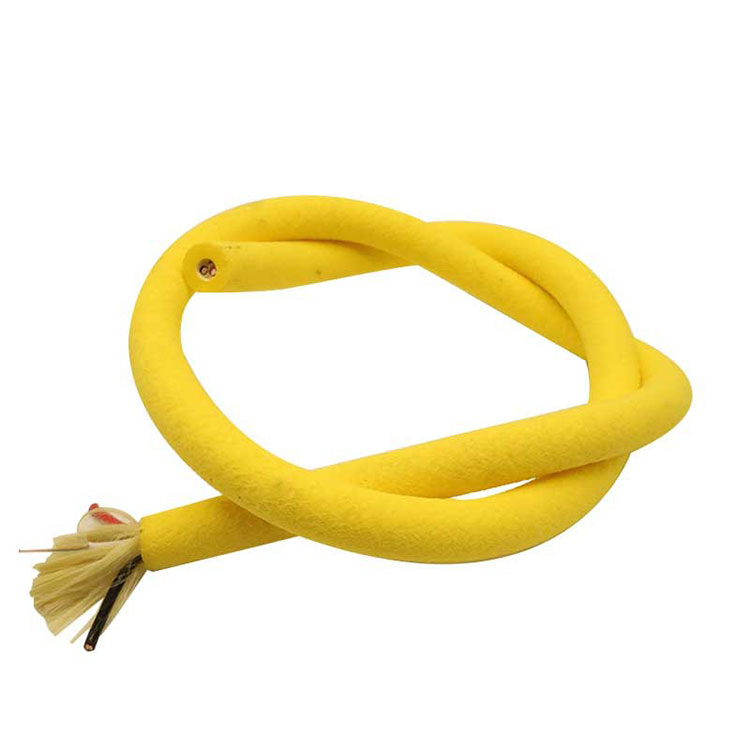
Understanding the Dual Role in PV Systems
In photovoltaic power systems, electrical energy flows through two key stages before reaching the final conversion point:
- Module string connections: linking solar panels in series or parallel
- Inverter feeder lines: transporting combined DC output to inverters
A common question arises in field design: can the same Cable specification safely handle both roles?
The answer depends on system design conditions rather than a simple yes or no. In many cases, the same cable family can be used, but sizing, insulation class, and thermal limits must be carefully matched to the electrical load and installation environment.
Why this question matters in real installations
Solar systems are increasingly deployed in:
- Rooftop distributed generation
- Utility-scale solar farms
- Hybrid energy storage systems
In these scenarios, reducing cable variety simplifies installation planning. However, the electrical stress on inverter feeder lines is typically higher than on short module string connections. That is where design margins become critical.
Electrical Behavior Differences Between Two Applications
Although both applications carry DC power, their operating conditions differ significantly.
Key differences explained
| Feature | Module String Connections | Inverter Feeder Lines |
| Voltage level | Moderate per string | Combined higher voltage |
| Current load | Relatively low | Higher cumulative current |
| Cable length | Shorter runs | Longer transmission paths |
| Thermal stress | Mild to moderate | Higher and continuous |
| Fault exposure | Localized | System-wide impact |
From a technical standpoint, the Cable used for inverter feeders must handle higher thermal and electrical stress compared to string-level wiring.
Insulation and Material Performance
A key reason modern PV systems can sometimes use a unified cable specification is the advancement in insulation materials. Cross-linked polymers such as XLPE and high-grade PVC compounds provide stable dielectric strength under varying temperatures.
Tinned copper conductors are widely adopted because they reduce oxidation in outdoor environments. This becomes particularly important when cables are exposed to humidity, dust, and seasonal temperature changes.
In advanced production environments like those operated by Paidu Group Limited, insulation testing plays a central role in verifying whether a Photovoltaic Cable can maintain stable conductivity under both low-load string conditions and high-load feeder conditions.
Thermal Management and Load Adaptation
One of the most important factors in determining cable applicability is temperature behavior under load.
Solar systems experience:
- High daytime ambient temperatures
- Reflective heat from rooftops or ground surfaces
- Continuous DC load over long operating hours
Cable designed for dual-use scenarios must maintain insulation stability under sustained thermal stress.
Practical observation from field applications
In many installations, engineers observe that:
- String cables rarely exceed moderate thermal thresholds
- Feeder cables experience prolonged elevated temperatures
This difference is why cable sizing often follows conservative design rules rather than minimal electrical requirements.
Can One Cable Type Really Serve Both Roles?
The short answer: in some designs, yes—but only under controlled conditions.
The longer answer involves three constraints:
1. Voltage rating compatibility
2. Current-carrying capacity margin
3. Environmental exposure level
If all three are aligned, a unified cable specification may be technically acceptable. However, system designers typically evaluate each segment independently to avoid overloading.
Common Installation Scenarios and Real-World Practices
Scenario 1: Residential rooftop systems
In smaller installations, the same Photovoltaic Cable type is sometimes used for both string and feeder sections due to simplicity. The system size keeps current levels relatively low, reducing thermal stress differences.
Scenario 2: Commercial rooftops
Here, partial standardization is common. String cables and feeder cables may share the same insulation family but differ in cross-sectional sizing.
Scenario 3: Utility-scale solar farms
In large-scale environments, differentiation becomes essential. Feeder lines require significantly higher current handling capability, even if the base cable design remains similar.
Standards and Testing Behind Reliability
Modern photovoltaic systems rely heavily on standardized testing frameworks. Key international references include:
- UV resistance testing for outdoor durability
- Thermal aging tests for long-term stability
- Dielectric strength verification
- Mechanical flexibility assessments
At production facilities like those associated with Paidu Group Limited, high-voltage partial discharge testing systems are used to simulate long-term operational stress conditions. These evaluations help confirm whether the Cable maintains insulation integrity across different installation roles.
High-Voltage Testing and Quality Assurance Perspective
One of the most critical aspects in cable validation is partial discharge detection. This method identifies microscopic insulation defects that may not appear during standard resistance testing.
In practice, this means:
- Early detection of insulation weakness
- Reduced risk of long-term degradation
- Improved consistency across production batches
Such testing is especially relevant when a single Cable design is intended for multiple system roles.
Comparative Overview of Design Requirements
Below is a simplified view of how design priorities shift depending on application:
| Design Factor | String Connection Priority | Feeder Line Priority |
| Flexibility | High | Medium |
This comparison highlights why cable selection is never purely uniform across a PV system.
Practical Design Insight: Avoiding Overgeneralization
A common misunderstanding in PV system planning is assuming that cable uniformity improves efficiency. In reality, overgeneralization can lead to:
- Excess thermal load on undersized feeder cables
- Unnecessary overspecification in string wiring
- Reduced long-term system reliability
A balanced approach evaluates each segment independently while maintaining material consistency where appropriate.
The Role of Connector Compatibility
Another important factor is connector integration. Even when a Photovoltaic Cable shares the same insulation family across system sections, connector compatibility ensures safe and stable transitions between components such as panels, combiner boxes, and inverters.
This reduces installation complexity and minimizes connection-related resistance losses.
Key Takeaways for System Designers
The question of whether it can be used for both module string connections and inverter feeders does not have a universal answer. Instead, it depends on system scale, electrical load, and environmental conditions.
In practical engineering terms:
- Small systems may allow shared cable types
- Medium systems require selective differentiation
- Large systems demand strict segmentation
The final decision is always driven by performance balance rather than uniformity.
Conclusion
In modern photovoltaic engineering, cable selection has evolved into a system-level decision rather than a single-component choice. The performance of a Photovoltaic Cable across different roles depends on insulation stability, thermal behavior, and validated testing processes. Solutions developed by Paidu Group Limited demonstrate how consistent material engineering and rigorous electrical testing can support flexible application across both module-level and inverter-level connections, while still respecting the distinct demands of each segment in a solar energy system.
Send Inquiry



X
We use cookies to offer you a better browsing experience, analyze site traffic and personalize content. By using this site, you agree to our use of cookies.
Privacy Policy