

Does A High Speed Hair Dryer Power Cord Need UL Certification For Safety?
Paidu High Speed Hair Dryer Power Cords are your trusted choice for premium electrical accessories supplier. With personal care appliances upgrading to higher power, stronger airflow and smart temperature regulation, safety has become a key concern. Our cords endure heat, moisture and long-hour operation, ensuring steady performance for all users and project teams.
A common question raised across the appliance industry is whether a Dryer Power Cord requires UL certification to ensure safe operation. The answer depends on the intended market, application environment, regulatory requirements, and overall product design. Understanding these factors can help organizations make informed decisions when selecting cable solutions for high-speed hair dryers and related equipment.
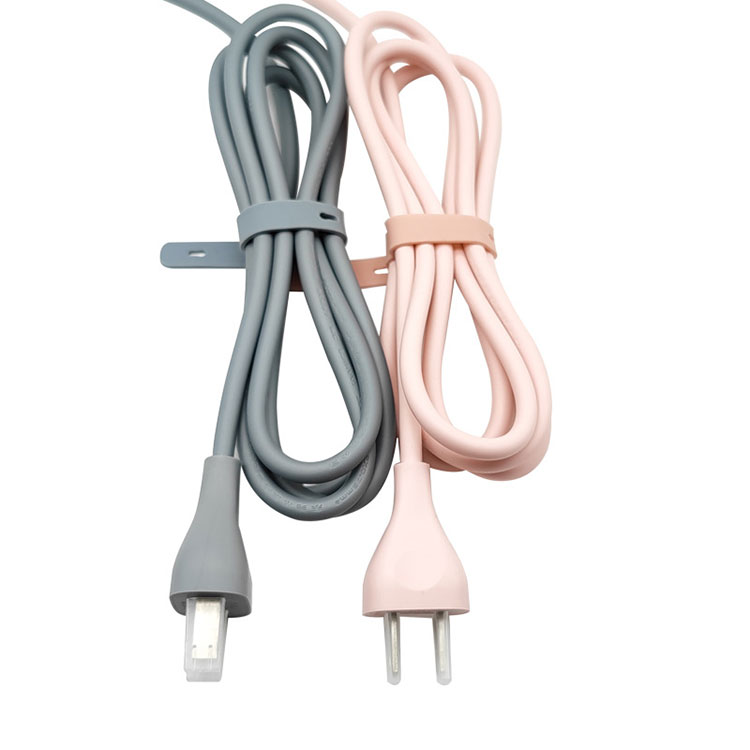
Why Power Cord Safety Matters More Than Ever
High-speed hair dryers operate differently from conventional models. Modern designs often incorporate powerful motors, intelligent control systems, and higher operating temperatures to achieve faster drying results.
While these innovations improve user experience, they also place greater demands on electrical components, particularly the power cord. A cable that is exposed to repeated bending, elevated temperatures, humidity, and daily handling must maintain stable electrical performance throughout its service life.
Several common concerns often arise:
- Heat accumulation near the appliance connection
- Cable wear caused by frequent movement
- Moisture exposure in bathroom environments
- Potential electromagnetic interference with electronic components
- Compliance with regional electrical safety standards
Because the power cord acts as the primary pathway for electrical energy, its quality directly influences overall appliance reliability.
Understanding UL Certification
What Is UL?
UL stands for Underwriters Laboratories, an internationally recognized safety science organization that evaluates products against established safety requirements.
UL certification generally indicates that a product has undergone testing for:
| Evaluation Area | Purpose |
| Electrical Safety | Reduces risk of shock and electrical failure |
| Fire Resistance | Helps limit flame spread during abnormal conditions |
| Material Performance | Verifies durability under specified conditions |
| Temperature Resistance | Ensures safe operation during heat exposure |
| Construction Quality | Evaluates structural integrity and design consistency |
For many products entering the North American market, UL recognition serves as an important indicator of compliance and safety performance.
Is UL Certification Legally Required?
The answer is not always straightforward.
In some applications, UL certification may be specified by project requirements, retail standards, insurance guidelines, or local regulations. In other situations, alternative certifications may be accepted provided they satisfy applicable safety requirements.
For high-speed hair dryer applications, UL certification is often viewed as an added layer of confidence rather than a universal legal obligation.
The key consideration is whether the entire appliance system, including the power cord, meets the safety expectations of its target market.
What Makes A Dryer Power Cord Different?
A standard household cable may not be suitable for high-speed hair dryer applications.
Higher Thermal Demands
High-speed motors can generate significant heat during operation. Power cords used in these appliances must be capable of maintaining insulation performance even when exposed to elevated temperatures.
Frequent Flexing
Hair dryer cords are constantly twisted, bent, wrapped, and stored. This repeated movement can accelerate wear if the cable structure lacks sufficient flexibility.
Moisture Exposure
Bathrooms and salon environments often involve higher humidity levels. Water-resistant cable designs can help improve operational reliability.
Electromagnetic Compatibility
Modern high-speed dryers frequently incorporate digital control systems and variable-frequency motor technologies.
Shielded cable designs can reduce electromagnetic interference and help maintain stable system performance.
Key Safety Features To Look For
When evaluating a High Speed Hair Dryer Power Cord/products.html?Keywords=High%20Speed%20Hair%20Dryer%20Power%20Cord, industry professionals often focus on a combination of electrical, mechanical, and environmental characteristics.
Flame Retardant Performance
Flame retardant materials help slow the spread of fire in abnormal operating situations.
Paidu's cable solutions comply with C-class flame retardant requirements, supporting safer operation in a variety of electrical environments.
High Temperature Resistance
Temperature-resistant insulation materials can maintain stability under demanding operating conditions.
This characteristic is particularly important for appliances that generate continuous heat during use.
Waterproof Capability
Although hair dryers should never be immersed in water, moisture resistance remains valuable because of the environments in which these products are typically used.
Water-resistant cable construction can help improve long-term reliability.
Shielded Construction
Shielding provides additional protection against electromagnetic interference.
For equipment using advanced motor control systems, this feature can contribute to smoother performance and more stable operation.
How Cable Testing Contributes To Product Reliability
One aspect often overlooked by end users is the extensive testing process behind cable development.
Modern cable production facilities increasingly utilize sophisticated testing systems to verify electrical and mechanical performance before products enter service.
Partial Discharge Testing
Partial discharge testing helps identify insulation defects before cables are deployed.
By detecting small electrical discharges within insulation materials, engineers can evaluate cable quality and identify potential weaknesses early in the production process.
High-Voltage Testing
High-voltage testing evaluates a cable's ability to withstand electrical stress.
These tests can reveal issues that may not be visible during routine inspections.
Conductor Resistance Testing
Conductor resistance measurements help verify efficient electrical transmission.
Lower resistance generally contributes to reduced energy loss and stable performance.
Why Certification Alone Is Not Enough
A common misconception is that certification by itself guarantees long-term reliability.
In reality, safety performance depends on multiple factors working together.
Material Quality
High-grade insulation and conductor materials remain essential regardless of certification status.
Manufacturing Consistency
Stable production processes help ensure that every cable meets the same quality requirements.
Testing Infrastructure
Comprehensive testing capabilities of High Speed Hair Dryer Power Cord provide additional assurance that products meet intended performance expectations.
Real-World Application Matching
A cable selected for one environment may not be ideal for another.
Operating temperature, humidity levels, installation conditions, and usage frequency all influence long-term performance.
Industry Trends Driving Higher Standards
Several trends are encouraging greater attention to cable safety within personal care appliances.
More Powerful Hair Dryers
Consumers increasingly favor faster drying times and salon-level performance, leading to higher-powered appliance designs.
Smart Electronics Integration
Digital displays, sensors, and intelligent temperature controls create additional requirements for signal stability and electromagnetic compatibility.
Global Regulatory Expectations
As products move across international markets, compliance requirements become more complex.
Organizations are therefore paying closer attention to certifications, testing documentation, and traceable quality systems.
Longer Product Lifecycles
Sustainability initiatives encourage durable products that remain functional for extended periods, increasing demand for robust cable solutions.
Choosing The Right Cable For High-Speed Hair Dryers
Rather than focusing solely on certification labels, it is often more effective to evaluate the complete performance profile of the cable.
Consider the following factors:
| Selection Factor | Why It Matters |
| Flame Retardancy | Improves safety during abnormal conditions |
| Temperature Resistance | Supports continuous operation |
| Waterproof Design | Enhances reliability in humid environments |
| Shielding Performance | Reduces electromagnetic interference |
| Mechanical Durability | Handles repeated bending and movement |
| Testing Verification | Confirms product consistency and reliability |
| Quality Certifications | Demonstrates compliance with recognized standards |
A balanced assessment of these factors provides a clearer picture of real-world performance than any single certification alone.
Looking Ahead
As appliance technologies continue to advance, expectations for electrical safety will likely become even more rigorous. UL certification remains an important consideration for many projects, but it should be viewed as one element within a broader safety framework that includes material quality, engineering design, manufacturing consistency, and comprehensive testing.
For applications requiring flame resistance, shielding performance, waterproof capability, and durability under demanding operating conditions, a carefully designed High Speed Hair Dryer Power Cord can play a significant role in overall product reliability. Supported by extensive testing infrastructure and decades of cable production experience, Paidu Group Limited continues to contribute to the ongoing conversation surrounding safe and dependable electrical connectivity solutions for modern appliances.
Send Inquiry



X
We use cookies to offer you a better browsing experience, analyze site traffic and personalize content. By using this site, you agree to our use of cookies.
Privacy Policy