

What Is a Copper Power Cable with 3 Cores?
In modern electrical systems, reliability, safety, and efficiency are non-negotiable. Whether you are designing an industrial facility, upgrading commercial infrastructure, or sourcing components for large-scale power distribution, the choice of power cable directly affects long-term performance and operating costs. Among the most widely used solutions today is the Copper Power Cable with 3 Cores.
This type of cable is favored for its stable conductivity, balanced power transmission, and versatility across a wide range of applications. For engineers, procurement managers, and project contractors, understanding how a three-core copper power cable works—and how to select the right one—can help prevent downtime, reduce maintenance risks, and ensure compliance with electrical standards.
At Ningbo Paidu Industrial Co., Ltd., we work closely with global customers who require dependable copper power cable solutions for demanding environments. This guide provides a comprehensive explanation of copper power cables with three cores, addressing common customer concerns, real-world use cases, and practical selection advice.
Article Summary
This article explains what a Copper Power Cable with 3 Cores is, how it works, and why it is widely used in industrial, commercial, and infrastructure projects. It explores technical structure, advantages, comparison with alternative cables, installation considerations, safety factors, and long-term performance benefits. The guide also answers frequently asked questions and offers practical insights based on real project requirements.
Table of Contents
- Understanding the Structure of a Copper Power Cable with 3 Cores
- Why Copper Is Preferred for Power Transmission
- How Three-Core Design Supports Stable Electrical Systems
- Common Applications Across Industries
- Key Technical Specifications to Consider
- Copper Power Cable with 3 Cores vs Other Cable Types
- Installation and Safety Considerations
- Durability, Lifespan, and Maintenance
- How Ningbo Paidu Industrial Co., Ltd. Supports Reliable Power Solutions
- Frequently Asked Questions
Understanding the Structure of a Copper Power Cable with 3 Cores
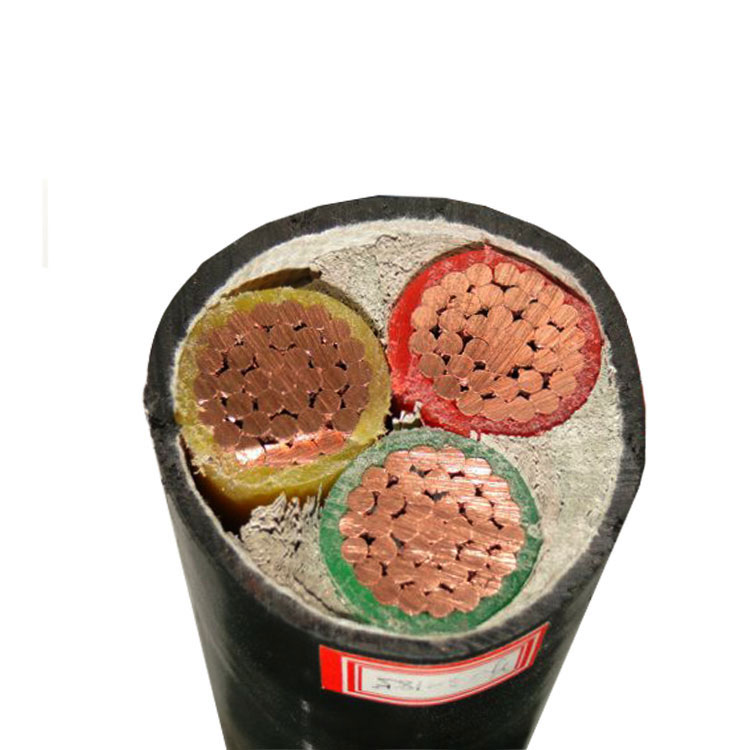
A Copper Power Cable with 3 Cores is designed to transmit electrical power using three separate copper conductors housed within a single protective sheath. Each core is individually insulated, allowing the cable to safely carry multi-phase or combined electrical loads without interference.
Typically, the three cores consist of:
- Three stranded or solid copper conductors
- Individual insulation layers for each core
- An optional inner sheath or bedding
- An outer protective jacket for mechanical and environmental resistance
This structure allows balanced power distribution while maintaining electrical separation, reducing the risk of short circuits or signal loss. The compact design also simplifies routing and installation in confined spaces.
Why Copper Is Preferred for Power Transmission
Copper has long been recognized as one of the most effective materials for electrical conductors. Its physical and electrical properties make it particularly suitable for power cables where consistent performance is critical.
Key benefits of copper conductors include:
- High electrical conductivity for efficient energy transfer
- Lower resistance compared to alternative metals
- Excellent thermal performance under load
- Strong mechanical durability and flexibility
- Long service life with minimal degradation
For customers working with Ningbo Paidu Industrial Co., Ltd., copper power cables offer predictable performance even under demanding operating conditions, reducing the risk of voltage drops and overheating.
How Three-Core Design Supports Stable Electrical Systems
The three-core configuration is commonly used in systems requiring balanced load distribution, such as three-phase power systems or combined live, neutral, and earth circuits.
Advantages of the three-core design include:
- Improved electrical balance and efficiency
- Reduced electromagnetic interference
- Simplified wiring compared to single-core installations
- Enhanced safety through integrated grounding options
This design helps ensure smooth operation of motors, machinery, and power equipment while minimizing energy losses across the system.
Common Applications Across Industries
A Copper Power Cable with 3 Cores is widely used in both industrial and commercial environments due to its adaptability and reliability.
| Industry | Typical Applications |
|---|---|
| Manufacturing | Machinery power supply, motor connections, control panels |
| Construction | Building power distribution, elevators, HVAC systems |
| Energy & Utilities | Power stations, substations, backup generators |
| Commercial Facilities | Lighting systems, data centers, retail infrastructure |
These applications demand consistent current flow and long-term stability—requirements that copper three-core cables are well-equipped to meet.
Key Technical Specifications to Consider
Selecting the right copper power cable involves evaluating several technical parameters to ensure compatibility with your system.
- Conductor cross-sectional area
- Rated voltage and current capacity
- Insulation material and temperature rating
- Outer sheath resistance to chemicals or UV exposure
- Compliance with regional electrical standards
At Ningbo Paidu Industrial Co., Ltd., customers receive guidance tailored to their specific voltage, load, and environmental requirements, helping prevent overspecification or underperformance.
Copper Power Cable with 3 Cores vs Other Cable Types
Understanding how a three-core copper power cable compares with other cable options helps customers make informed decisions.
| Feature | 3-Core Copper Cable | Single-Core Cable | Aluminum Cable |
|---|---|---|---|
| Conductivity | High | High | Moderate |
| Installation Convenience | Easy | Complex | Moderate |
| Durability | Excellent | Excellent | Good |
| Space Efficiency | High | Low | High |
For many projects, the three-core copper configuration strikes the best balance between performance, safety, and ease of installation.
Installation and Safety Considerations
Proper installation plays a major role in the performance and longevity of any power cable. A Copper Power Cable with 3 Cores should be installed following recommended bending radius, spacing, and termination guidelines.
- Avoid excessive mechanical stress during routing
- Ensure correct phase identification
- Use compatible connectors and glands
- Verify insulation integrity before energizing
Following these practices helps maintain electrical safety and prevents premature cable failure.
Durability, Lifespan, and Maintenance
One of the primary customer concerns is long-term reliability. Copper power cables are known for their resistance to corrosion, stable electrical characteristics, and minimal maintenance needs.
With proper installation and operating conditions, a copper power cable with three cores can provide decades of reliable service, making it a cost-effective investment over time.
How Ningbo Paidu Industrial Co., Ltd. Supports Reliable Power Solutions
Ningbo Paidu Industrial Co., Ltd. focuses on supplying power cable solutions that meet real-world project demands. From material selection to quality inspection, each copper power cable is produced with consistency and performance in mind.
Our team works closely with international partners to ensure cables are suitable for diverse applications, climates, and regulatory environments.
Frequently Asked Questions
What is a Copper Power Cable with 3 Cores used for?
It is commonly used for power distribution in industrial, commercial, and infrastructure systems requiring balanced and stable electrical transmission.
Why choose copper instead of aluminum?
Copper offers higher conductivity, better thermal performance, and longer service life, especially in demanding environments.
Is a three-core cable suitable for three-phase systems?
Yes, three-core cables are often used in three-phase or combined circuit applications where balanced load distribution is required.
How do I select the right cable size?
Cable size depends on current load, voltage rating, installation conditions, and safety standards. Professional guidance is recommended.
Can Ningbo Paidu Industrial Co., Ltd. provide customized solutions?
Yes, customized specifications can be discussed based on project requirements and application scenarios.
Conclusion
A Copper Power Cable with 3 Cores remains a trusted solution for efficient, safe, and long-lasting power transmission across multiple industries. Its balanced design, superior conductivity, and adaptability make it a preferred choice for engineers and decision-makers worldwide.
If you are planning a new project or upgrading an existing power system, partnering with an experienced supplier can make all the difference. Ningbo Paidu Industrial Co., Ltd. is ready to support your needs with reliable products and professional insight—contact us today to discuss your power cable requirements and find the right solution for your application.
Send Inquiry



X
We use cookies to offer you a better browsing experience, analyze site traffic and personalize content. By using this site, you agree to our use of cookies.
Privacy Policy