

Why Is Photovoltaic Cable Single Core Tinned Crucial for Solar Efficiency?
Photovoltaic Cable Single Core Tinned are specially designed electrical cables used to connect and power solar photovoltaic systems. In this comprehensive exploration, we dive deep into what these cables are, how they function, their advantages and limitations, and answer the most common industry questions that pros and engineers ask when planning solar installations.
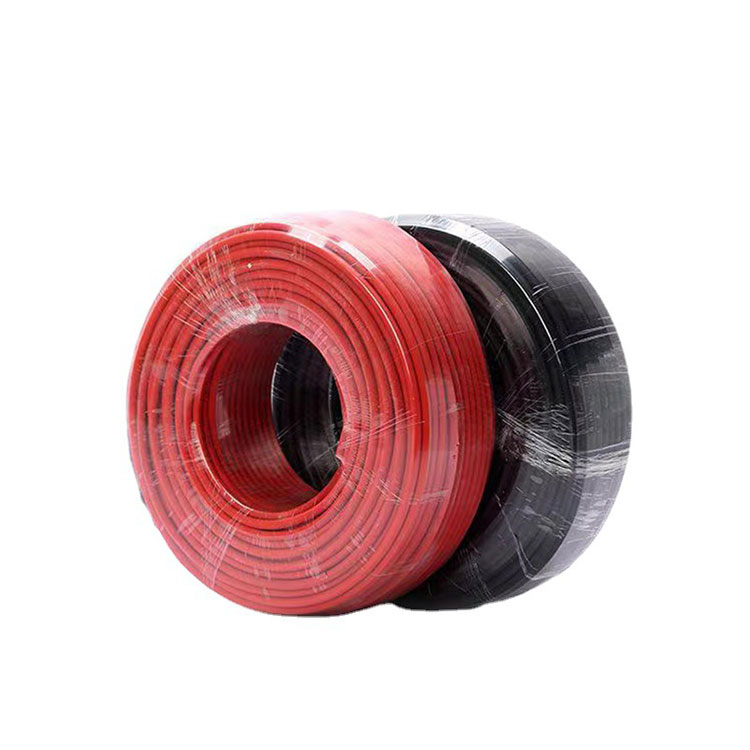
Table of Contents
- What Is Photovoltaic Cable Single Core Tinned?
- Why Use Tinned Conductor in PV Cables?
- How Does Single Core Tinned PV Cable Differ from Alternatives?
- Where Is It Used in Solar Systems?
- What Are Advantages and Limitations?
- How to Install PV Single Core Tinned Cable?
- What Standards and Certifications Apply?
- Frequently Asked Questions
What Is Photovoltaic Cable Single Core Tinned?
“Photovoltaic Cable Single Core Tinned” refers to a single core cable designed for use in photovoltaic (solar power) systems. These cables have a tinned copper conductor, which means the copper strands are coated with tin to improve solderability and resist corrosion. The insulation is typically rated for high UV resistance, heat tolerance, and long-term exposure to environmental elements.
This type of cable is critical for wiring between solar panels, inverters, junction boxes, and charge controllers. Ningbo Paidu Industrial Co., Ltd. manufactures high-quality PV cables that meet stringent performance standards for residential, commercial, and utility-scale solar installations.
Why Use Tinned Conductor in PV Cables?
The practice of tinning a conductor isn’t new, but when applied to photovoltaic cables, it delivers measurable benefits. But what exactly does tinning accomplish, and why do professionals prefer it?
- Corrosion Resistance: Tinned strands resist oxidation, especially in damp or marine environments.
- Solderability: Tinned copper is easier to solder, essential for secure connections during assembly or repair.
- Longevity: Tinning extends the life cycle of the conductor under harsh conditions.
Because solar PV systems often sit outdoors for decades, using a tinned conductor can mean more reliability over the lifespan of the array.
How Does Single Core Tinned PV Cable Differ from Alternatives?
To understand where this cable stands, let’s compare:
| Feature | Photovoltaic Single Core Tinned | Standard PVC Cable | Multi-core Solar Cable |
|---|---|---|---|
| UV Resistance | High | Low | Medium |
| Corrosion Resistance | Excellent | Poor | Good |
| Flexibility | Good | Fair | Variable |
| Suitable for Outdoor Solar | Yes | Sometimes | Yes |
| Installation Simplicity | Easy | Easy | Complex |
From the table above, you can see why many solar installers choose tinned single core cables for panel interconnections and long runs.
Where Is It Used in Solar Systems?
Photovoltaic Cable Single Core Tinned finds application in:
- Inter-panel wiring in solar arrays
- Connections from panels to inverters or combiner boxes
- Grounding and earthing circuits
- Battery bank cabling in off-grid installations
- Marine solar installations where corrosion is a major concern
Ningbo Paidu Industrial Co., Ltd. emphasizes product quality that meets both outdoor endurance and electrical performance needs.
What Are the Advantages and Limitations?
Advantages
- Enhanced Durability: Designed to withstand sunlight, temperature swings, and moisture.
- Improved Corrosion Protection: Tinning extends life in challenging environments.
- Reliable Electrical Performance: Minimizes resistance losses.
- Compliance Ready: Meets many industry standards for PV installations.
Limitations
- Cost: Slightly more expensive than untinned versions due to tin plating.
- Weight & Size: Single core cables can be bulkier if high current ratings are needed.
- Installation Care: Requires correct bending radius and UV-rated connectors.
How to Install PV Single Core Tinned Cable?
Installing single core tinned photovoltaic cable requires planning:
- Plan the cable route to avoid excessive bending and sunlight hotspots.
- Use UV-resistant cable ties and clips.
- Ensure proper grounding and bonding.
- Verify all connections are corrosion-free and correctly sealed.
- Follow the manufacturer’s electrical ratings and safety guidelines.
Ningbo Paidu Industrial Co., Ltd. provides datasheets and installation guidance for all cable products to support engineers and technicians on site.
What Standards and Certifications Apply?
Solar cables are typically evaluated according to:
- IEC 62930 — Photovoltaic (PV) wire standards
- EN 50618 — European PV cable standards
- UL 4703 — US solar cable specs
- RoHS and REACH compliance
Understanding standards is critical to ensure safety, performance, and compliance in global markets. Ningbo Paidu Industrial Co., Ltd. products are manufactured to match these rigorous norms and performance expectations.
Frequently Asked Questions
- What makes photovoltaic cable single core tinned different from regular solar cable?
- Photovoltaic single core tinned cable uses a tinned copper conductor with a single insulated core designed for solar systems, offering improved corrosion resistance and suitability for outdoor solar arrays compared with basic or multi-core solar cables.
- Can I use it in marine solar installations?
- Yes. The tinning process provides extra resistance to salt corrosion, making this cable ideal for marine and coastal PV installations where moisture and salt exposure are concerns.
- Is it suitable for both DC and AC solar circuits?
- Photovoltaic cables are mainly intended for DC circuits between panels and inverters. For AC output wiring, other rated cables may be chosen according to local electrical codes and inverter specs.
- Do I need special tools to terminate this cable?
- Standard cable crimpers and UV-rated lugs are recommended. The tinned conductor helps improve solderability, but you should also follow connector manufacturer instructions to maintain weatherproof seals.
- How long can these cables last?
- With quality materials and proper installation, they can exceed 20–25 years life expectancy, aligned with most solar panel warranties.
Send Inquiry



X
We use cookies to offer you a better browsing experience, analyze site traffic and personalize content. By using this site, you agree to our use of cookies.
Privacy Policy