

What Are the Temperature and UV Resistance Standards for PV Solar Cable
If you’re managing a solar project, you’ve likely asked a critical question: how do I ensure my photovoltaic system remains safe and efficient for decades? One of the most overlooked yet vital components is the PV solar cable. Its performance under harsh environmental conditions directly impacts your project’s longevity and return on investment. At Paidu, we specialize in manufacturing high-performance solar cables that are engineered to meet and exceed the toughest international standards. We understand that your cables must withstand extreme heat, cold, and relentless sun exposure without degrading. Let’s dive into the specific standards that define true quality for a reliable PV solar cable.
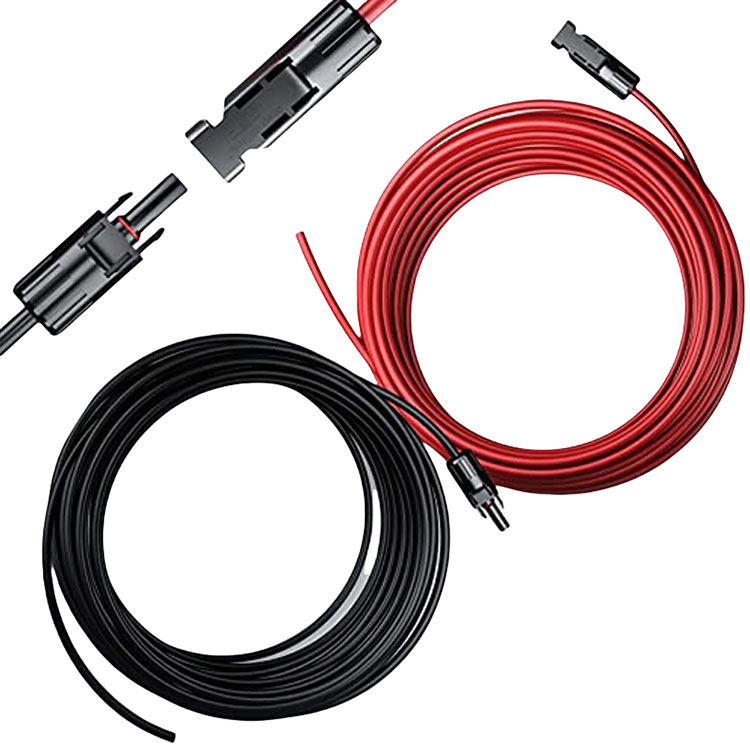
What Are the Key Temperature Ratings for a Durable Solar Cable
Temperature resistance isn’t just a number—it’s a promise of reliability. A premium PV solar cable must perform in a wide range of climates. The core standards we adhere to at Paidu specify two key ratings:
-
Maximum Conductor Temperature: 120°C. This is the continuous operating temperature the cable’s copper core can handle without damage.
-
Ambient Temperature Range: Typically from -40°C to +90°C. This ensures flexibility in freezing winters and stability during scorching summers.
Our Paidu cables are rigorously tested to maintain insulation integrity and electrical properties within this full range. For example, a cable that becomes brittle in cold weather can crack during installation, while one that softens excessively in heat may sag or expose conductors. We design our solar cables to avoid these exact failure points, ensuring seamless operation from installation through decades of service.
How Does UV Resistance Protect Your Solar Investment
Ultraviolet radiation is a silent destroyer. Prolonged exposure breaks down standard cable jackets, leading to cracking, chalking, and eventual insulation failure. This poses a severe safety risk and necessitates costly replacements. So, what is the benchmark for UV resistance?
International standards, such as EN 50618 and UL 4703, require that a PV solar cable passes extended UV aging tests. These simulate years of solar exposure to verify the cable jacket does not degrade. The key parameters tested include:
-
Tensile Strength Retention
-
Elongation at Break Retention
-
Visual Inspection for Cracks or Chalking
Paidu cables feature a specially formulated, cross-linked polyethylene (XLPE) or similar advanced polymer jacket. This material is compounded with premium UV stabilizers, creating a protective barrier that reflects and absorbs harmful radiation. The result is a cable that resists environmental stress cracking for over 25 years. This commitment to superior UV protection is what sets a Paidu solar cable apart, safeguarding your infrastructure against the elements.
What Product Specifications Should You Demand for Your Project
When evaluating a PV solar cable, technical datasheets tell the real story. Here are the essential specifications, as exemplified by Paidu’s flagship products, that you should always verify:
Electrical & Temperature Specifications:
-
Rated Voltage: 1.8 kV (DC)
-
Temperature Range: -40°C to +120°C
-
Fire Performance: Flame retardant, low smoke & halogen-free (IEC 60332-1, IEC 60754-1)
Mechanical & Environmental Specifications:
-
Conductor: Tinned copper, Class 5 flexible stranding
-
Insulation: Radiation cross-linked, Halogen-free compound
-
UV Resistance: Excellent per EN 50618, > 25,000 hours of accelerated weathering test
-
Certifications: TÜV, UL, CE, RoHS compliant
Choosing a cable that clearly lists these certified parameters is non-negotiable. It is the definitive proof that the product is built for the demanding lifecycle of a solar array. Our engineers at Paidu meticulously select materials and control production to ensure every reel of solar cable delivers these performance guarantees.
Why Should Your Next Project Rely on Certified and Trusted Solutions
In the solar industry, cutting corners on components like cabling is a risk you simply cannot afford. System downtime, safety hazards, and premature replacement costs will far outweigh any initial savings. Investing in cables that transparently meet global temperature and UV resistance standards is investing in peace of mind. We at Paidu have built our reputation on this principle, providing robust, certified solutions that installers and developers trust globally.
Don’t leave the resilience of your solar project to chance. Ensure every connection is protected with cables engineered for extreme endurance. Contact us today to request detailed technical datasheets, sample availability, or a personalized quote for your specific needs. Let’s build a more reliable and efficient solar future together.
Send Inquiry



X
We use cookies to offer you a better browsing experience, analyze site traffic and personalize content. By using this site, you agree to our use of cookies.
Privacy Policy