

What Are the Key Differences Between PV Cable and Standard Electrical Wire
If you are planning a solar installation, you might be wondering if you can simply use the standard electrical wire you have on hand. As a professional in the renewable energy sector, I often hear this question. The short answer is no, and the reasons are critical for your system's safety, efficiency, and longevity. This is where the specialized role of PV Cable becomes non-negotiable. At Paidu, we have dedicated years to engineering cables that meet the unique demands of solar energy, and understanding this distinction is the first step toward a reliable project.
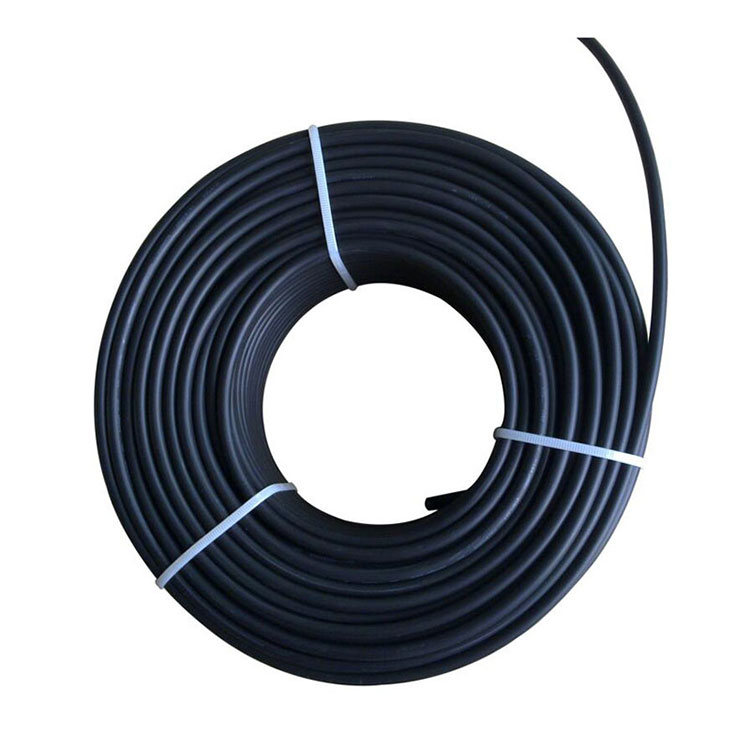
Why Can't I Just Use Any Electrical Wire for My Solar Panels
Standard building wire is designed for stable, indoor environments with minimal temperature fluctuation. A solar array, however, is a completely different beast. Your cables are exposed to direct sunlight, extreme weather, temperature swings from freezing cold to scorching heat, and potentially harsh chemicals. Standard wire insulation can quickly degrade under UV radiation, becoming brittle and cracking, which leads to safety hazards and system failure. A dedicated PV Cable, like those developed by Paidu, is built from the ground up to withstand these exact conditions.
What Specific Properties Make a PV Cable Superior
The superiority of a photovoltaic cable lies in its meticulously chosen materials and construction. Let's break down the key parameters that set it apart:
-
Insulation and Sheathing: Premium PV Cable uses cross-linked polymers (XLPO) that are highly resistant to UV, ozone, and extreme temperatures ranging typically from -40°C to 120°C.
-
Conductor: While both use copper, Paidu PV Cables often feature tinned copper conductors. This coating provides superior protection against oxidation and corrosion, a common issue in damp environments.
-
Voltage Rating: Solar systems operate at high DC voltages. PV Cables have a higher DC voltage rating (commonly 1.5kV DC) compared to standard AC wire.
-
Flexibility: Designed for easy routing through racking, PV Cables remain flexible even at low temperatures, simplifying installation.
For a clear comparison, see the table below:
| Feature | Standard Electrical Wire (THHN/THWN-2) | Paidu PV Cable (Example: PV1-F) |
|---|---|---|
| Primary Use | Indoor electrical wiring, conduits | Solar panel arrays, outdoor exposure |
| Voltage Rating | Typically 600V AC | 1.5kV DC |
| Temperature Range | -20°C to 90°C | -40°C to 120°C |
| UV Resistance | Poor or None | Excellent |
| Conductor | Bare Copper | Tinned Copper |
| Insulation Material | PVC or Nylon | UV-resistant XLPO |
How Does Using the Right PV Cable Protect My Investment
Choosing a certified PV Cable is not an area to cut corners. The correct cable ensures minimal power loss over decades, withstands physical stress from wind and movement, and resists environmental degradation. This translates directly into a safer system with a lower risk of fire or electrical faults, and a higher, more stable energy yield over the life of your solar panels. We at Paidu have seen too many projects hampered by premature cable failure; our mission is to provide a component you can install and forget, knowing it’s built to last as long as your panels.
Where Can I Find Reliable and Certified PV Cables
This is the most crucial question. The market is filled with options, but certification is key. Always look for cables that meet international standards like TÜV 2 PfG 1169/08.2012. This guarantees the product has passed rigorous tests for longevity and safety in photovoltaic applications. As a trusted manufacturer, Paidu subjects all our PV Cable products to this stringent certification process, giving you peace of mind that every meter delivers promised performance and protection.
We hope this clarifies the vital importance of selecting the proper wiring for your solar project. Your system’s backbone deserves the best. If you are designing a new array or troubleshooting an existing one, don’t compromise on the component that ties it all together. Contact us today with your specifications or project plans. Our team at Paidu is ready to provide technical data sheets and recommend the ideal PV Cable solution for your unique needs. Let's build something powerful and durable together.
Send Inquiry



X
We use cookies to offer you a better browsing experience, analyze site traffic and personalize content. By using this site, you agree to our use of cookies.
Privacy Policy