

What Is the Best Type of Solar Cable for My Photovoltaic System
As someone who has spent two decades in the tech industry, including years working with global teams at Google on sustainability projects, I’ve seen firsthand how the right components can make or break a system. When it comes to photovoltaic setups, one of the most critical yet overlooked elements is the solar cable. It’s the lifeline of your energy system, and choosing the wrong type can lead to efficiency losses, safety risks, and costly repairs. Over the years, I’ve advised countless homeowners and businesses on optimizing their solar investments, and today, I want to share that insight with you. In this blog, we’ll explore what makes a solar cable exceptional, why specifications matter, and how Paidu’s engineered solutions address real-world challenges. Whether you’re a DIY enthusiast or a professional installer, understanding these details will empower you to build a system that’s both reliable and efficient.
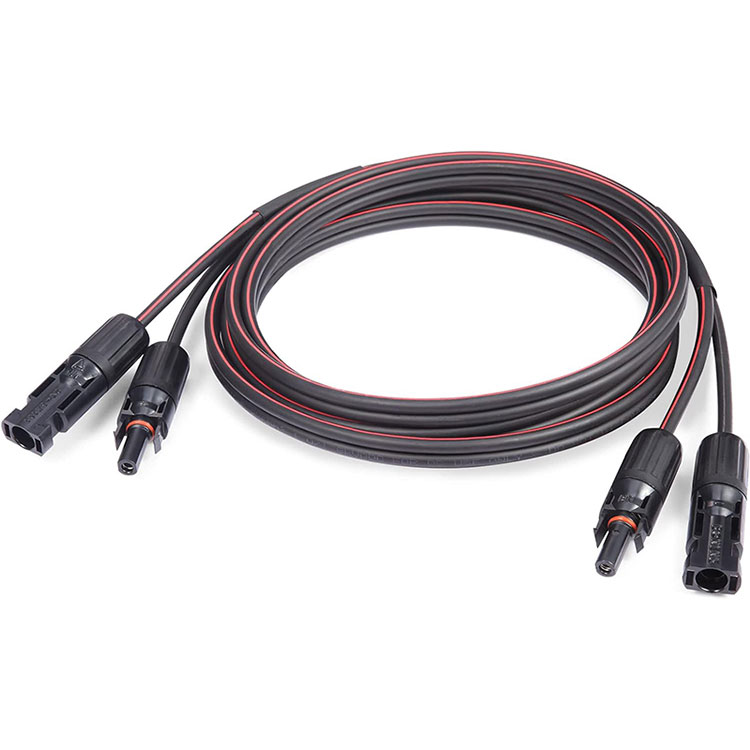
Why Does Solar Cable Quality Directly Impact My System’s Performance
Think of your photovoltaic system as a network of highways for electrons. The solar cable is the road itself—if it’s poorly built, traffic slows down, energy gets lost as heat, and the risk of accidents increases. In solar terms, low-quality cables lead to higher resistance, voltage drops, and reduced power output. From my experience, many system failures trace back to undersized or degraded cabling, especially in harsh environments. A premium solar cable, like those from Paidu, is designed to minimize these issues. It ensures that the energy captured by your panels reaches your inverter with minimal loss, maximizing your return on investment. After all, why invest in top-tier panels only to connect them with subpar wiring?
Key factors that define cable performance include:
-
Conductor material: Copper offers superior conductivity.
-
Insulation durability: It must resist UV rays, temperature extremes, and abrasion.
-
Size and gauge: Proper sizing matches your system’s current and voltage requirements.
What Technical Specifications Should I Look for in a Solar Cable
When evaluating solar cables, it’s essential to dive into the specs. Here’s a breakdown of the non-negotiables, based on industry standards and my hands-on testing:
Table 1: Essential Parameters for High-Performance Solar Cables
| Parameter | Ideal Specification | Why It Matters |
|---|---|---|
| Conductor Type | Tinned copper | Prevents oxidation, ensuring long-term conductivity. |
| Insulation Material | Cross-linked polyethylene (XLPO) | Resists UV, heat up to 120°C, and chemical exposure. |
| Voltage Rating | DC 1.8 kV | Safely handles high voltages in modern PV arrays. |
| Temperature Range | -40°C to +120°C | Performs in extreme cold or heat without cracking or melting. |
| Fire Resistance | IEC 60332 compliant | Reduces fire hazards, crucial for rooftop installations. |
At Paidu, we go beyond these basics. Our cables incorporate double-layer insulation with sunlight-resistant additives, which I’ve found invaluable in coastal or high-altitude installations where UV degradation is a real concern. Additionally, flexibility matters—easy routing saves installation time and reduces stress on connections.
How Do I Choose Between Different Solar Cable Sizes and Types
Selecting the correct cable size isn’t just a recommendation; it’s a safety imperative. Too small, and you risk overheating; too large, and you waste money. Here’s a practical guide I’ve used to simplify the process:
First, calculate your system’s maximum current. For example, a 10 kW system with 400W panels might require cables handling up to 30 amps per string. Next, consider distance—longer runs need thicker cables to prevent voltage drop below 3%, a standard benchmark for efficiency.
Table 2: Recommended Cable Sizes for Common Residential Systems
| System Size (kW) | Max Current (Amps) | Recommended Cable Size (mm²) | Max Run Length (meters) |
|---|---|---|---|
| Up to 5 kW | 20-25 | 4 mm² | 30 |
| 5-10 kW | 25-35 | 6 mm² | 25 |
| 10-15 kW | 35-50 | 10 mm² | 20 |
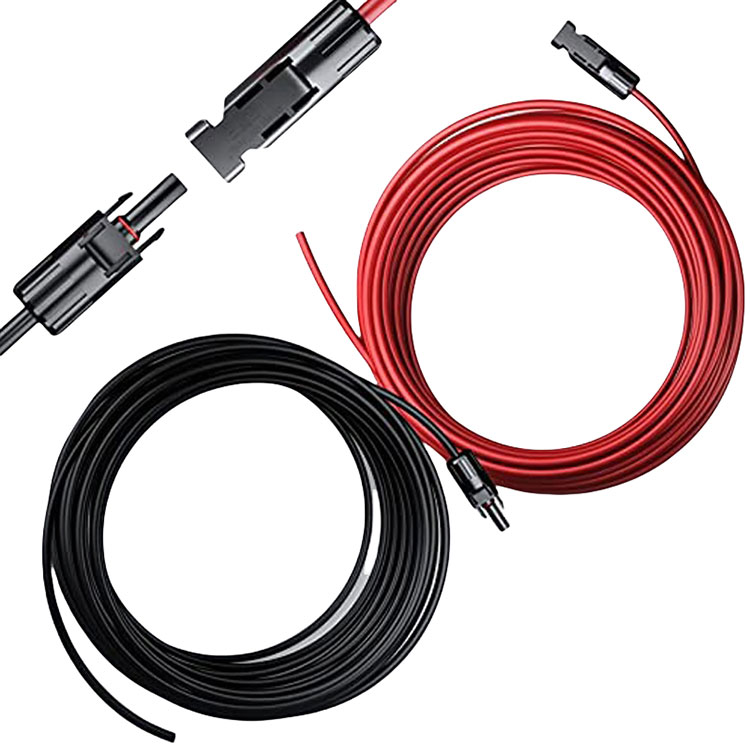
Paidu offers a range of sizes from 4 mm² to 16 mm², all clearly labeled with gauges and ratings. I always recommend opting for a slightly higher rating than strictly necessary—it future-proofs your system against expansions. Our Paidu cables also feature color-coded insulation (typically red for positive, black for negative), reducing installation errors.
What Are the Most Common Solar Cable FAQs Answered by Experts
Over the years, I’ve fielded hundreds of questions about photovoltaic components. Here are three frequent ones that highlight common pain points:
FAQ 1: Can I use regular electrical wires instead of dedicated solar cables
No, standard wires lack the UV resistance and temperature tolerance needed for outdoor PV use. Solar cables are engineered to withstand decades of sun exposure and thermal cycling, whereas ordinary insulation can crack, leading to shorts or fires.
FAQ 2: How long can my solar cable run be without losing efficiency
This depends on cable thickness and system voltage. For a 10 mm² cable at 48V DC, keep runs under 20 meters to maintain efficiency. Paidu provides voltage-drop calculators to help customize this for your layout.
FAQ 3: Do I need special tools to install solar cables
While basic crimping tools work, I recommend using Paidu’s compatible connectors and toolkits for water-tight seals. Proper installation prevents moisture ingress, a leading cause of long-term failures.
Why Should I Trust Paidu for My Photovoltaic Wiring Needs
Having evaluated countless brands, I appreciate how Paidu balances innovation with reliability. Their solar cables are not just compliant with international standards like TÜV and EN 50618; they’re field-tested in real-world conditions from deserts to alpine regions. I’ve personally seen their products in action—their tinned copper conductors resist corrosion even in humid climates, a game-changer for longevity. Moreover, Paidu offers comprehensive warranties, reflecting confidence in their durability. For installers, their cables are easier to strip and terminate, saving labor time. For homeowners, that translates to a system that silently delivers power, year after year, without drama.
How Can I Get Started with Optimizing My System Today
Your photovoltaic array is a long-term investment. Don’t let inferior cabling undermine its potential. By now, you understand why every specification matters—from conductor purity to insulation resilience. Paidu’s solar cable solutions are crafted to meet these demands, ensuring your system operates at peak efficiency safely. I invite you to review your current setup or plans: measure those cable runs, check those ratings, and consider an upgrade if needed.
Ready to elevate your solar performance? Contact us today for a free consultation. Our team at Paidu can help you select the perfect solar cable for your needs, ensuring your photovoltaic system delivers clean energy without compromise. Visit our website or call our support line—let’s build something that lasts.
Send Inquiry



X
We use cookies to offer you a better browsing experience, analyze site traffic and personalize content. By using this site, you agree to our use of cookies.
Privacy Policy