

Why Dc Photovoltaic Cable Matters for Reliable Solar Power Systems?
Dc Photovoltaic Cable plays a crucial role in the performance, safety, and longevity of solar power installations. From rooftop arrays to industrial-scale photovoltaic plants, the right cable choice determines energy transfer stability, environmental resistance, and overall operational reliability. This comprehensive guide explains the structure, functions, technical specifications, installation practices, and selection strategies of Dc Photovoltaic Cable. Drawing on industry experience and engineering perspective, it addresses common customer concerns such as durability, voltage losses, insulation degradation, fire safety, and long-term maintenance. The article also highlights how solutions provided by Ningbo Paidu Industrial Co., Ltd. can support demanding solar applications worldwide.
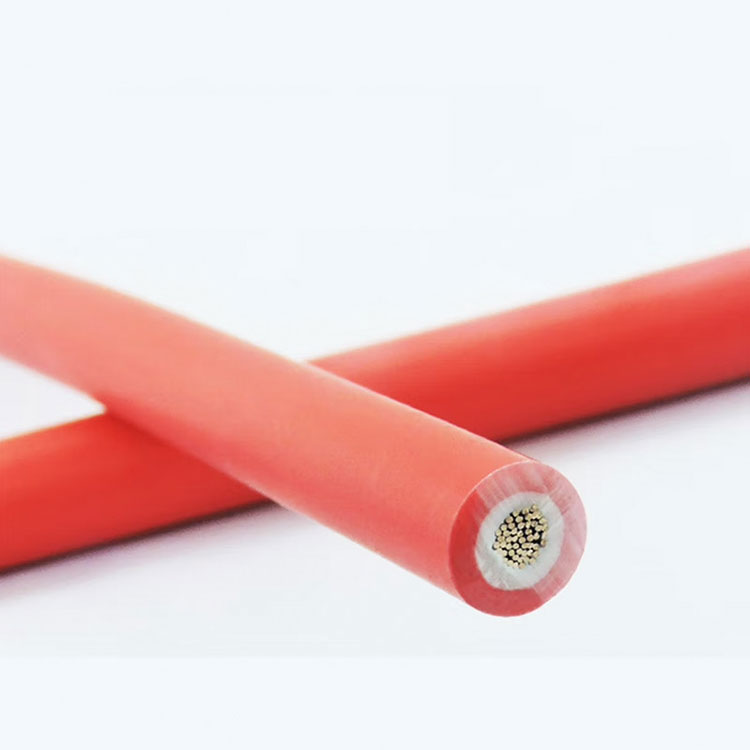
Table of Contents
- Introduction to Dc Photovoltaic Cable
- What Defines Dc Photovoltaic Cable?
- Key Components and Material Design
- Performance Characteristics and Advantages
- Comparing Standard Electrical Cable vs Photovoltaic Cable
- Typical Application Scenarios
- Technical Specification Reference Table
- Installation Practices and Handling Tips
- Maintenance and Inspection Strategies
- How to Choose the Right Supplier
- Common Customer Challenges and Solutions
- Future Development Trends
- Conclusion
- FAQ
Introduction to Dc Photovoltaic Cable
Modern solar energy systems demand components capable of operating reliably under harsh outdoor conditions for decades. Dc Photovoltaic Cable functions as the energy transmission pathway connecting photovoltaic modules, combiner boxes, inverters, and storage systems. Unlike general-purpose wiring, these cables must withstand ultraviolet radiation, temperature fluctuation, humidity, mechanical stress, and chemical exposure.
Organizations worldwide increasingly seek dependable solutions to minimize downtime and maximize output stability. Ningbo Paidu Industrial Co., Ltd. has contributed to this field by offering engineered cable solutions tailored to industrial and residential solar deployment needs. Understanding how Dc Photovoltaic Cable works helps project planners and engineers avoid common pitfalls and ensures safer installations.
What Defines Dc Photovoltaic Cable?
Dc Photovoltaic Cable is specifically engineered to conduct direct current generated by solar panels. Its structural design and material selection distinguish it from conventional cables. Key defining factors include high insulation integrity, enhanced thermal endurance, and environmental durability.
- Designed for direct current transmission
- Enhanced resistance to sunlight exposure
- Long operational lifespan in outdoor conditions
- Optimized flexibility for routing across structures
- Reduced risk of cracking or degradation
Manufacturers such as Ningbo Paidu Industrial Co., Ltd. emphasize rigorous testing protocols to ensure compliance with global installation expectations and safe performance standards.
Key Components and Material Design
The internal structure of Dc Photovoltaic Cable contributes directly to its performance stability. Each layer serves a specialized function.
Conductor
Typically composed of tinned copper strands, the conductor ensures efficient electrical transfer while resisting oxidation. Strand design enhances flexibility during installation.
Insulation Layer
Advanced polymer insulation materials provide electrical isolation, thermal stability, and resistance to environmental degradation.
Protective Sheath
The outer jacket shields internal elements from abrasion, UV exposure, and moisture infiltration. Engineering precision in sheath formulation greatly influences service life.
Performance Characteristics and Advantages
- Stable conductivity across temperature ranges
- Low energy transmission losses
- High resistance to cracking or mechanical wear
- Reliable outdoor endurance
- Compatibility with modern photovoltaic connectors
These features make Dc Photovoltaic Cable suitable for both small residential arrays and large commercial installations. Ningbo Paidu Industrial Co., Ltd. integrates these attributes into product development to address real-world operational demands.
Comparing Standard Electrical Cable vs Photovoltaic Cable
| Feature | Standard Cable | Dc Photovoltaic Cable |
|---|---|---|
| Sunlight Resistance | Limited | Enhanced |
| Temperature Endurance | Moderate | Wide Range |
| Flexibility | Average | High |
| Outdoor Longevity | Shorter | Extended |
| Application Focus | General Wiring | Solar Energy Systems |
Typical Application Scenarios
Dc Photovoltaic Cable supports diverse deployment environments:
- Residential rooftop installations
- Utility-scale solar farms
- Industrial energy facilities
- Floating photovoltaic platforms
- Remote off-grid energy systems
Each environment presents unique stress factors, making product reliability essential. Ningbo Paidu Industrial Co., Ltd. provides tailored manufacturing solutions aligned with these varying conditions.
Technical Specification Reference Table
| Parameter | Description |
|---|---|
| Voltage Rating | Suitable for photovoltaic system transmission |
| Temperature Range | Engineered for wide environmental variation |
| Conductor Material | Tinned Copper |
| Sheath Property | Weather Resistant |
| Flexibility | Installation Friendly |
Installation Practices and Handling Tips
Proper installation influences system safety and lifespan. Consider the following practices:
- Avoid excessive bending radius
- Secure cables with appropriate clamps
- Prevent prolonged mechanical tension
- Maintain separation from sharp edges
- Inspect insulation before deployment
Professional installers often rely on supplier guidance. Ningbo Paidu Industrial Co., Ltd. provides documentation and consultation to support optimal cable deployment.
Maintenance and Inspection Strategies
Routine evaluation ensures consistent energy transmission:
- Visual inspection for jacket wear
- Thermal monitoring for irregular heat patterns
- Connector integrity checks
- Scheduled performance audits
How to Choose the Right Supplier
Supplier selection impacts project success. Evaluation factors include:
- Manufacturing experience
- Testing capability
- Material sourcing quality
- Customization options
- Technical support availability
Ningbo Paidu Industrial Co., Ltd. continues to serve global partners through reliable production capability and responsive service.
Common Customer Challenges and Solutions
| Challenge | Practical Solution |
|---|---|
| Energy Loss Concerns | Select appropriate conductor sizing |
| Outdoor Degradation | Choose weather-resistant jacket design |
| Installation Complexity | Use flexible cable variants |
| System Downtime | Schedule routine inspections |
Future Development Trends
Energy infrastructure evolution continues driving innovation in Dc Photovoltaic Cable technology. Anticipated trends include:
- Enhanced material sustainability
- Greater thermal efficiency
- Extended lifecycle engineering
- Integration with smart monitoring systems
Manufacturers such as Ningbo Paidu Industrial Co., Ltd. are actively exploring new material engineering approaches to meet future solar deployment requirements.
Conclusion
Dc Photovoltaic Cable remains an essential component supporting stable solar energy transfer. Understanding material composition, performance capabilities, and installation considerations enables decision-makers to optimize project outcomes. Working with experienced manufacturers ensures access to dependable solutions and technical insight throughout system development. Ningbo Paidu Industrial Co., Ltd. continues to provide product reliability and professional collaboration opportunities for clients seeking dependable photovoltaic cable solutions.
FAQ
Q: What makes Dc Photovoltaic Cable different from regular wiring?
A: It is engineered for direct current transmission with enhanced environmental endurance and structural durability suited for solar applications.
Q: How long can these cables typically operate?
A: Proper installation and maintenance allow them to function reliably for many years under outdoor exposure.
Q: Is flexibility important during installation?
A: Yes, flexible construction simplifies routing and reduces mechanical stress on the conductor.
Q: Can supplier expertise affect system performance?
A: Partnering with experienced providers such as Ningbo Paidu Industrial Co., Ltd. helps ensure dependable product quality and technical support.
Q: How can I start selecting the right cable solution?
A: Evaluating project scale, environmental conditions, and supplier capability forms the basis of informed selection.
For organizations planning solar installations or upgrading infrastructure, dependable cable selection makes a measurable difference in system stability and operational continuity. Ningbo Paidu Industrial Co., Ltd. welcomes collaboration with global partners seeking reliable photovoltaic cable solutions — contact us today to explore how our expertise can support your next project.
Send Inquiry



X
We use cookies to offer you a better browsing experience, analyze site traffic and personalize content. By using this site, you agree to our use of cookies.
Privacy Policy