

Why Is Copper Core AC Wire Essential for Safe and Efficient Electrical Systems?
Copper Core AC Wire remains one of the most trusted choices for residential, commercial, and industrial electrical systems. Its superior conductivity, excellent durability, strong mechanical properties, and long service life make it a preferred solution for engineers, contractors, and property owners worldwide.
This comprehensive guide explores how copper core AC wire works, its advantages over alternative conductor materials, installation considerations, safety benefits, maintenance requirements, and common purchasing mistakes. Whether you are upgrading an existing electrical network or designing a new power distribution system, understanding copper conductors can help improve reliability, reduce energy loss, and enhance overall electrical performance.
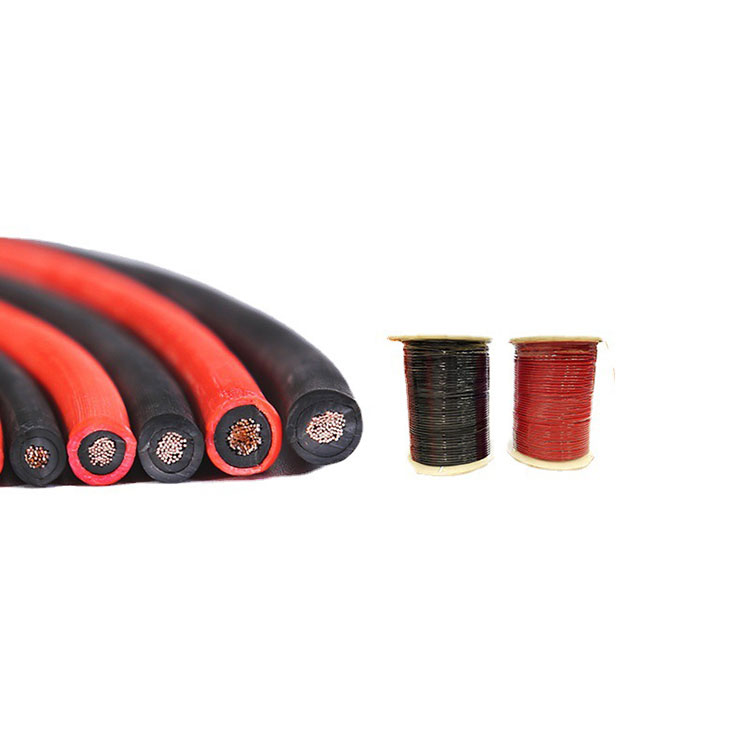
Table of Contents
- 1. What Is Copper Core AC Wire?
- 2. Why Is Copper the Preferred Conductor?
- 3. Key Advantages of Copper Core AC Wire
- 4. Copper Core Wire vs Other Conductors
- 5. Common Applications
- 6. How Copper Improves Energy Efficiency
- 7. Safety Benefits of Copper Core AC Wire
- 8. How to Select the Right Copper Core AC Wire
- 9. Installation Best Practices
- 10. Maintenance and Inspection Guide
- 11. Common Buying Mistakes
- 12. Future Trends in Copper Electrical Wiring
- 13. Frequently Asked Questions
- 14. Conclusion
1. What Is Copper Core AC Wire?
Copper Core AC Wire is an electrical conductor that uses copper as the primary conductive material within the cable structure. The copper core carries alternating current (AC) from power sources to electrical equipment, appliances, lighting systems, motors, and various industrial devices.
The wire generally consists of:
- High-purity copper conductor
- Insulation layer
- Protective sheath
- Optional shielding layer
- Fire-resistant or flame-retardant materials
Copper has been used in electrical systems for more than a century because of its excellent conductivity and reliability. Today, it continues to be the benchmark material for power transmission and distribution across multiple industries.
2. Why Is Copper the Preferred Conductor?
Electrical conductors must efficiently transfer energy while minimizing resistance, heat generation, and power loss. Copper naturally excels in these areas.
| Property | Copper Performance |
|---|---|
| Electrical Conductivity | Excellent |
| Mechanical Strength | High |
| Heat Resistance | Excellent |
| Corrosion Resistance | Very Good |
| Flexibility | High |
| Service Life | Long-Term |
These characteristics make copper suitable for demanding electrical environments where consistent performance is critical.
3. Key Advantages of Copper Core AC Wire
Superior Electrical Conductivity
Copper offers one of the highest conductivity levels among commercially available metals. Lower resistance means electrical current flows more efficiently through the conductor.
Lower Energy Loss
Reduced resistance minimizes voltage drops and power dissipation, helping electrical systems operate more efficiently.
Enhanced Durability
Copper wires withstand vibration, bending, and environmental stress better than many alternative materials.
Improved Heat Management
Efficient heat dissipation reduces overheating risks and helps maintain stable electrical performance.
Long Service Life
Many copper wiring installations continue functioning effectively for decades with proper installation and maintenance.
Strong Connection Reliability
Copper provides secure electrical connections that resist loosening and degradation over time.
4. Copper Core Wire vs Other Conductors
| Factor | Copper Core Wire | Aluminum Wire |
|---|---|---|
| Conductivity | Higher | Lower |
| Mechanical Strength | Higher | Lower |
| Thermal Expansion | Lower | Higher |
| Connection Stability | Excellent | Moderate |
| Flexibility | Better | Less Flexible |
| Expected Lifespan | Longer | Shorter |
Although aluminum may offer initial cost savings, copper often provides better long-term value through enhanced performance and reduced maintenance requirements.
5. Common Applications
Copper Core AC Wire is widely used in numerous environments:
- Residential electrical wiring
- Commercial buildings
- Industrial manufacturing facilities
- Data centers
- Hospitals
- Schools and universities
- Renewable energy systems
- Air conditioning systems
- Electrical control panels
- Power distribution networks
- Transportation infrastructure
- Telecommunications facilities
Its versatility makes it one of the most universally accepted conductor solutions globally.
6. How Copper Improves Energy Efficiency
One of the biggest concerns for facility owners is rising electricity consumption. Every conductor introduces some resistance, resulting in energy losses.
Because copper possesses low electrical resistance:
- Voltage drop is reduced
- Power transmission becomes more efficient
- Equipment receives stable electrical supply
- Operating temperatures remain lower
- Energy waste decreases
In large-scale industrial facilities, even small efficiency improvements can generate significant cost savings over time.
7. Safety Benefits of Copper Core AC Wire
Electrical safety remains a major concern in every installation. Poor-quality conductors can increase risks of overheating, short circuits, and electrical fires.
Copper helps improve safety through:
- Excellent current carrying capacity
- Reduced hot spots
- Reliable electrical connections
- Resistance to corrosion
- High melting point
- Stable mechanical properties
When installed according to applicable standards, copper wiring contributes significantly to overall electrical system safety.
8. How to Select the Right Copper Core AC Wire
Choosing the proper cable requires evaluating several factors.
| Selection Factor | Consideration |
|---|---|
| Voltage Rating | Match system requirements |
| Current Capacity | Ensure sufficient ampacity |
| Installation Environment | Indoor or outdoor use |
| Temperature Conditions | Heat exposure level |
| Flexibility Needs | Solid or stranded conductor |
| Safety Requirements | Flame-retardant options |
Working with qualified electrical professionals can help ensure correct cable selection and system performance.
9. Installation Best Practices
Proper installation is essential for maximizing cable performance.
- Avoid excessive bending
- Protect cables from mechanical damage
- Use appropriate cable supports
- Maintain recommended bend radius
- Ensure secure terminations
- Prevent insulation damage
- Follow applicable electrical standards
- Verify conductor sizing before installation
A high-quality conductor can only perform as intended when installation procedures are properly followed.
10. Maintenance and Inspection Guide
Routine inspections help identify potential issues before they become serious failures.
Maintenance checklist:
- Inspect insulation condition
- Check terminal tightness
- Monitor operating temperatures
- Look for discoloration
- Evaluate moisture exposure
- Inspect protective coverings
- Test electrical continuity
- Document inspection findings
Preventive maintenance often extends system lifespan and reduces unexpected downtime.
11. Common Buying Mistakes
Many buyers focus only on initial price while overlooking performance requirements.
Common mistakes include:
- Choosing undersized conductors
- Ignoring environmental conditions
- Purchasing uncertified products
- Overlooking insulation quality
- Selecting incorrect voltage ratings
- Failing to verify conductor purity
- Neglecting future expansion requirements
Evaluating total lifecycle value rather than purchase price alone usually results in better long-term outcomes.
12. Future Trends in Copper Electrical Wiring
The global electrical industry continues to evolve with increasing demand for reliable power transmission.
Emerging trends include:
- Smart building infrastructure
- Renewable energy integration
- Electric vehicle charging systems
- Advanced fire-resistant cables
- High-efficiency power distribution networks
- Industrial automation expansion
- Sustainable electrical infrastructure
As electrical loads become more sophisticated, copper conductors remain a critical foundation for dependable power delivery.
13. Frequently Asked Questions
Q1: Why is copper preferred over aluminum for AC wiring?
A: Copper offers higher conductivity, better mechanical strength, improved connection stability, and longer service life.
Q2: How long can copper core AC wire last?
A: Properly installed copper wiring can remain reliable for several decades under normal operating conditions.
Q3: Is copper wire suitable for industrial applications?
A: Yes. Copper is widely used in factories, manufacturing plants, control systems, and power distribution equipment.
Q4: Does copper wire improve energy efficiency?
A: Lower resistance helps reduce energy losses and improve overall electrical transmission efficiency.
Q5: What should I consider when purchasing copper core AC wire?
A: Consider conductor size, voltage rating, insulation type, installation environment, safety requirements, and expected electrical load.
Q6: Can copper core AC wire be used outdoors?
A: Yes, provided the cable is designed with suitable insulation and protective materials for outdoor exposure.
14. Conclusion
Copper Core AC Wire continues to be the industry standard for dependable electrical performance. Its exceptional conductivity, durability, safety characteristics, and long-term value make it a reliable choice across residential, commercial, and industrial applications.
From reducing energy losses to enhancing system reliability, copper conductors provide measurable advantages throughout the entire lifecycle of an electrical installation. Investing in high-quality copper wiring can help ensure stable power delivery, improved safety, and lower maintenance costs for years to come.
Ningbo Paidu Industrial Co., Ltd. specializes in high-quality electrical cable solutions designed to meet the demands of modern power systems. Whether you need support for residential projects, commercial facilities, industrial installations, or customized cable requirements, our experienced team is ready to assist. Contact us today to discuss your project requirements and discover how our copper cable solutions can help improve safety, efficiency, and long-term performance.
Send Inquiry



X
We use cookies to offer you a better browsing experience, analyze site traffic and personalize content. By using this site, you agree to our use of cookies.
Privacy Policy