

Why Is Cable Selection Becoming a Key Factor in the Reliability of Photovoltaic Systems?
Paidu Group Limited. discusses how Photovoltaic Cable Single-Core Cable selection influences solar system reliability, as cable design, insulation materials, and environmental resistance become increasingly important factors in long-term PV operation. With solar installations expanding into different climates and application scenarios, cable performance is receiving more attention beyond basic electrical connection functions.
The Changing Role of Cables in Photovoltaic Systems
In the early development of solar energy projects, cables were often considered simple components used to connect photovoltaic modules, inverters, and electrical equipment. However, as photovoltaic systems continue operating for decades under outdoor conditions, cable performance has become closely linked with system stability.
A photovoltaic system is exposed to sunlight, temperature changes, humidity, wind, and mechanical stress throughout its operating life. While solar panels generate electricity, cables are responsible for transferring that energy safely from one part of the system to another. Any weakness in cable selection, installation, or protection may affect the overall performance of the electrical network.
This has made cable evaluation an important part of photovoltaic system planning, especially for projects located in areas with strong UV exposure, high temperatures, coastal humidity, or frequent weather changes.
Why Cable Characteristics Matter in Solar Applications
Unlike many indoor electrical systems, photovoltaic installations usually operate outdoors for extended periods. The cables used in these environments need to maintain stable electrical and mechanical properties despite continuous exposure to external conditions.
Several factors influence cable suitability in solar applications:
| Key Factor | Influence on Photovoltaic Systems |
|---|---|
| Insulation Material | Helps protect conductors from moisture, heat, and environmental damage |
| Temperature Resistance | Supports stable operation under changing outdoor temperatures |
| UV Resistance | Reduces aging caused by long-term sunlight exposure |
| Mechanical Strength | Helps withstand installation pressure and physical movement |
| Electrical Performance | Ensures efficient transmission of generated power |
These characteristics determine whether a cable can continue performing effectively throughout the expected service period of a photovoltaic system.
The Importance of Single-Core Photovoltaic Cable Design
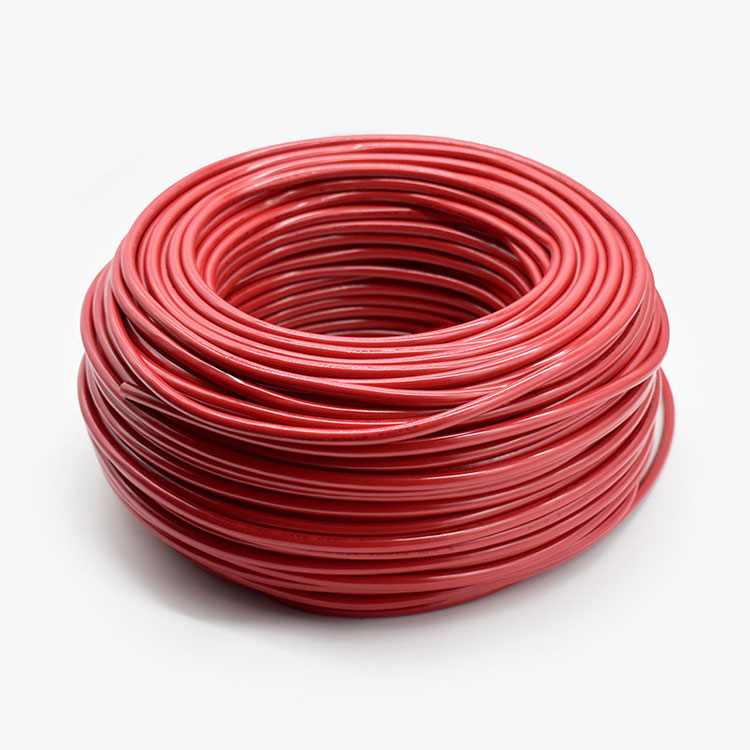
Photovoltaic Cable Single-Core Cables are widely used in solar installations because of their specific structural advantages. A single conductor design allows flexible routing between photovoltaic modules and other electrical components.
In many PV projects, cables are installed across rooftops, open fields, or large solar arrays where space arrangement and installation convenience are important. The single-core structure can simplify cable management and support organized system layouts.
However, cable selection is not only based on structure. The conductor material, insulation layer, voltage rating, temperature range, and certification requirements also need to match the actual operating environment.
Environmental Conditions Create New Challenges
Solar installations often operate in locations where electrical equipment faces demanding conditions.
High Temperature and Heat Accumulation
Solar modules can reach high temperatures during strong sunlight exposure. Cable materials that are not designed for continuous heat may experience accelerated aging over time.
Temperature-resistant insulation materials help maintain cable flexibility and electrical protection during repeated heating and cooling cycles.
UV Exposure and Outdoor Aging
Photovoltaic cables are usually installed outdoors without complete protection from sunlight. Long-term ultraviolet radiation can gradually affect certain materials, causing surface deterioration or reduced mechanical performance.
Therefore, UV-resistant outer layers have become an important consideration for cables used in open-air photovoltaic systems.
Moisture and Weather Exposure
Rain, humidity, and condensation can create challenges for electrical components. Proper insulation and protective structures help reduce the risk of moisture entering cable systems.
For photovoltaic projects near coastal areas or regions with frequent rainfall, environmental resistance becomes especially important.
Cable Quality Testing Supports Long-Term System Safety
As photovoltaic systems move toward larger capacity and longer operating periods, testing methods have become an essential part of cable quality evaluation.
Paidu Group Limited. produces various cable products including photovoltaic-related cables, cross-linked polyethylene insulated power cables, PVC insulated power cables, mineral insulated fireproof cables, and aluminum alloy cables. The company’s production facilities include professional testing equipment for evaluating electrical and physical performance.
Testing processes such as conductor resistance measurement, insulation performance checks, and high-voltage testing help identify potential issues before cables enter practical applications.
For high-voltage cable products, partial discharge testing is also used to detect insulation defects. By analyzing test data, production processes can be adjusted to improve cable consistency and operational reliability.
Choosing Cables Based on Real Application Conditions
There is no single cable type suitable for every photovoltaic project. Different installations require different considerations.
Utility-scale solar farms may focus on long-distance transmission efficiency, environmental durability, and installation management. Rooftop photovoltaic systems may place more importance on flexible routing, compact design, and resistance to building conditions.
Before selecting cables, factors such as installation location, system voltage, expected operating temperature, mechanical requirements, and applicable standards should be evaluated together.
Cable Selection Becomes Part of Solar System Planning
As photovoltaic technology continues to develop, attention is shifting from individual components toward the complete performance of energy systems. Cables, although often less visible than solar modules or inverters, play a continuous role in power transmission and system safety.
The reliability of a photovoltaic system depends on the coordination of many components. Proper cable selection helps reduce potential failures, maintain stable energy transmission, and support long-term operation under changing environmental conditions.
With experience in producing Photovoltaic Cable Single-Core Cables, cross-linked polyethylene insulated power cables, PVC insulated power cables, and other electrical products, Paidu Group Limited. continues to apply standardized production and testing methods to meet different application requirements in modern power systems.
Send Inquiry



X
We use cookies to offer you a better browsing experience, analyze site traffic and personalize content. By using this site, you agree to our use of cookies.
Privacy Policy